How Head to Head works
We compare two products or product types head to head, giving you a real verdict on which is the better choice for your situation — and exactly when to choose each one.
French Press vs Drip Coffee Maker: Which Makes Better Everyday Coffee?
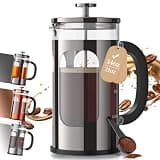
Veken French Press Coffee Maker 34oz, No Plastic Touching Cafe,Thickened Glass Stainless Steel Brewer, Cold Brew Cafetera Tea pot for Kitchen Travel Camping, Gifts, Decor, Bar Accessories, Dark Pewter
Fuller-bodied, richer flavor with hands-on control

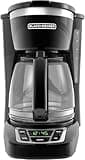
BLACK+DECKER 12-Cup Digital Coffee Maker, Programmable, Washable Basket Filter, Sneak-A-Cup, Auto Brew, Water Window, Keep Hot Plate, Black
Hands-off, consistent coffee for the whole household
Our verdict — Drip Coffee Maker wins
For most people's daily routine, a drip coffee maker wins on pure convenience — set it up the night before, wake up to coffee ready and warm, with no manual steps required. A French press produces a fuller-bodied, richer cup that many coffee drinkers genuinely prefer, and it's the better choice if you enjoy the process and don't mind a few minutes of hands-on brewing and cleanup. If mornings are rushed and consistency matters more than ultimate flavor control, get the drip machine; if you have the time and want more control over the result, the French press is worth it.
Buy French Press if…
You have a few extra minutes in the morning, prefer a fuller-bodied cup, and don't mind hands-on steeping and cleanup.
Buy Drip Coffee Maker if…
Your mornings are rushed, you want coffee ready automatically on a schedule, or you regularly brew for more than one or two people.
The coffee that took ten minutes to brew this morning and the coffee that took four minutes yesterday probably came from two different machines, and most people never stop to ask why that inconsistency happens. A french press vs drip coffee maker comparison comes down to a genuine trade-off between hands-off convenience and hands-on control over flavor.
A French press is a simple glass or steel carafe with a plunger and metal mesh filter, brewing coffee through full immersion before you press the grounds to the bottom. A drip coffee maker automates the process entirely — water heats and drips through a filter basket of grounds into a carafe below, with no manual steps beyond loading it up the night before.
This article covers where each one genuinely produces a better cup, what a French press requires that a drip machine doesn't, and which one fits your morning routine better in 2026.
What is a French Press?
A French press is a cylindrical carafe, usually glass or stainless steel, with a plunger fitted with a fine metal mesh filter. Coarsely ground coffee steeps directly in hot water for several minutes before you press the plunger down, separating the grounds from the brewed coffee above.
Key specs are carafe material (stainless steel retains heat longer and resists breakage better than glass), capacity (measured in cups or ounces — a 34oz press yields roughly four cups), and mesh filter quality, since a looser mesh lets more fine sediment through into the final cup.
A French press is the right choice for anyone who wants a fuller-bodied cup with more oils and sediment carried through — which many coffee drinkers consider richer and more flavorful — and who doesn't mind a few minutes of hands-on steeping and pressing as part of the ritual.
What is an Drip Coffee Maker?
A drip coffee maker heats water and drips it automatically through a filter basket loaded with ground coffee, brewing directly into a carafe below with no manual intervention once it's started. Most models include a programmable timer, letting you set it up the night before to have coffee ready at a specific time each morning.
Key specs are carafe capacity (measured in cups, typically 8-12 for a household), whether it uses a paper or reusable permanent filter (paper produces a cleaner cup with less sediment, permanent filters save ongoing cost), and brew temperature consistency, which affects extraction quality more than most buyers realize.
A drip coffee maker is the right choice for anyone who wants consistent, hands-off coffee ready on a schedule, especially households brewing for multiple people at once where a French press's smaller batch size becomes a real limitation.
Key Differences
Pros & Cons
French Press
- ✓Produces a fuller-bodied cup with more natural oils and richness than paper-filtered coffee
- ✓Needs no electricity — works anywhere you have coarsely ground coffee and hot water
- ✓Simple design with no motor or heating element to eventually fail
- ✗Requires active attention for steep time and pressing, plus more involved cleanup of wet grounds
- ✗Smaller batch size makes it less practical for brewing coffee for several people at once
Drip Coffee Maker
- ✓Fully automated brewing with a programmable timer for coffee ready on a schedule
- ✓Higher capacity per brew, better suited to households or multiple cups at once
- ✓Paper filtration produces a cleaner cup with easy, low-mess cleanup
- ✗Produces a lighter-bodied cup, since paper filters strip out oils and sediment a French press retains
- ✗Requires ongoing paper filter purchases unless using a reusable permanent filter
Flavor and body of the coffee
A French press's metal mesh filter allows natural coffee oils and fine sediment to pass through into the final cup, producing a noticeably fuller-bodied, richer flavor that many coffee drinkers prefer over drip coffee. Full immersion brewing also extracts flavor more thoroughly than the shorter contact time water has with grounds in a drip machine.
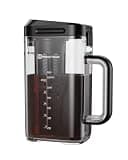
A drip coffee maker's paper filter strips out those oils and sediment, producing a cleaner, lighter-bodied cup that some drinkers describe as less "muddy" but others find comparatively thin. This is a genuine flavor trade-off rather than one method being objectively better — it comes down to personal preference for body and richness.
If you've ever found drip coffee underwhelming and assumed it was the beans or roast, the brewing method itself may be the bigger factor. A French press with the same beans often produces a noticeably richer, more satisfying cup for drinkers who prefer that style.
Daily convenience and hands-off brewing
A drip coffee maker's programmable timer is its biggest everyday advantage — load it with grounds and water the night before, and coffee is ready and warm by the time you're up, with zero manual steps in the morning. For anyone on a tight schedule, this hands-off convenience is hard to overstate.
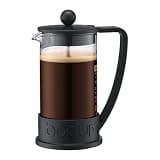
A French press requires active involvement every time: boiling water, adding grounds, timing the steep (typically four minutes), and then pressing and pouring. None of these steps are difficult individually, but together they demand a few minutes of attention that a drip machine simply doesn't require once it's set up.
For rushed mornings or anyone who wants coffee ready without thinking about it, the drip machine's automation is a meaningful daily convenience that a French press's flavor advantage doesn't offset for most people's actual routines.
Cleanup after brewing
A drip coffee maker's cleanup is minimal with a paper filter — lift it out with the used grounds inside and discard, then rinse the carafe. Even with a reusable permanent filter, emptying wet grounds into the trash or compost takes only a few seconds longer.
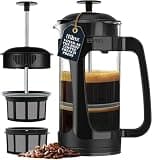
ESPRO Light P3 French Press Coffee Maker – Patented Double Micro-Filter for Grit-Free Brew, Heat Resistant thicker Borosilicate Glass Coffee press – (Black, 32 oz)
See price →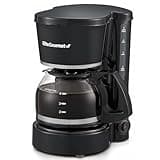
Elite Gourmet EHC-5055 Automatic 5-Cup Brew & Drip Coffee Maker with Pause N Serve Reusable Filter, On/Off Switch, Water Level Indicator
See price →A French press's wet grounds settle at the bottom of the carafe after pressing and need to be emptied and rinsed thoroughly, and the fine mesh filter itself requires periodic cleaning to prevent buildup that affects future brews. It's not a difficult job, but it's a more hands-on process than lifting out a paper filter.
For anyone who brews multiple times a day or wants the absolute path of least resistance for cleanup, the drip machine's paper-filter simplicity adds up over weeks of daily use in a way that's easy to underestimate when comparing the two side by side.
Capacity and brewing for multiple people
A typical drip coffee maker brews 8-12 cups in a single cycle, comfortably covering a household or a small gathering without needing a second batch. The carafe also keeps coffee reasonably warm on a hot plate or in an insulated pot for later cups throughout the morning.
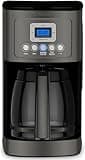
Cuisinart 14-Cup Coffee Maker, Programmable PerfecTemp Glass Carafe Coffee Machine with 1-4 Cup Setting, Brew Strength Control and Pause, Stainless Steel, DCC-3200BKSNAS, Black
See price →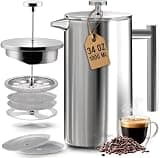
Utopia Kitchen 304 Grade Stainless Steel French Press Coffee Maker 34 Oz, Double Wall Insulated Coffee Press with 4-Level Filtration System, Include 2 Extra Filters, Rust-Free, Dishwasher Safe, Silver
See price →A French press is generally sized for around four cups per press, and brewing a second batch means repeating the full process — boiling more water, adding fresh grounds, and steeping again. For a single coffee drinker this is rarely an issue, but for a household of several coffee drinkers, it becomes a real limitation.
If you're regularly brewing for more than two people at once, a drip coffee maker's higher per-batch capacity is a genuinely practical advantage that a French press can't match without significantly more manual effort.
Can You Use One Instead of the Other?
For a single cup or two of coffee brewed with full attention and a few minutes to spare, a French press works perfectly well as someone's only coffee maker, and many committed coffee drinkers use nothing else by choice.
Where a French press genuinely struggles to substitute for a drip machine is hands-off, scheduled brewing for a household, and repeated brewing throughout the day without the cleanup and reheating water each time. If your routine depends on coffee being ready automatically on a timer, or you're regularly brewing for several people, a French press adds real friction a drip machine simply removes.
There's no perfect combo device here, but many coffee-focused households own both: a drip machine for daily, scheduled brewing, and a French press kept for weekends or whenever there's time to enjoy the fuller-bodied result without rushing.
Related Tools Worth Knowing
- ›
Electric Milk Frother→ — Pairs well with either brewing method for anyone building lattes or cappuccinos at home.
- ›
Coffee Grinder — A French press specifically needs a coarse, even grind — pre-ground coffee often isn't coarse enough and can result in excess sediment.
- ›
Electric Kettle — Useful for heating water to the right temperature quickly for a French press, without needing to use a stovetop kettle or the coffee maker itself.
- ›
Kitchen Utensil Set→ — A long-handled spoon makes stirring and pressing a French press easier without reaching into hot water.
Our Top Picks
Best French Press
Ready to buy? Check current prices below
Hands-off, consistent coffee for the whole household
Frequently Asked Questions
Why does French press coffee taste different from drip coffee?▾
A French press's metal mesh filter allows natural oils and fine sediment through into the cup, producing a fuller, richer body than paper-filtered drip coffee, which strips those elements out. Full immersion brewing also extracts flavor more thoroughly than the shorter contact time in a drip machine.
Is French press coffee stronger than drip coffee?▾
It's often perceived as stronger due to its fuller body and richer flavor, though actual caffeine content depends more on the coffee-to-water ratio and roast than the brewing method itself. Using the same ratio, a French press generally tastes bolder even if caffeine levels are similar.
How long should coffee steep in a French press?▾
Four minutes is the standard recommendation for a balanced extraction — less and the coffee tastes weak and underextracted, more and it can turn bitter and overextracted. Coarser grinds tolerate slightly longer steep times better than finer ones.
Can a drip coffee maker make coffee as rich as a French press?▾
Not quite — the paper filter used in most drip machines removes oils and fine sediment that contribute to a French press's fuller body. Using a reusable permanent filter in a drip machine closes some of that gap, since it lets more oils through than paper does.
Do I need a special grind for a French press?▾
Yes — French press coffee needs a coarse, even grind, since a fine grind (like one meant for drip or espresso) will slip through the mesh filter and leave excessive sediment in the cup. Pre-ground coffee labeled for drip machines is usually too fine for good French press results.
Conclusion
For most daily routines, a drip coffee maker wins on convenience — programmable, consistent, and higher capacity for a household without any manual steps required.
If you have the time and prefer a fuller-bodied, richer cup, a French press remains genuinely worth the few extra minutes of hands-on brewing and cleanup it demands. Many coffee drinkers end up owning both: a drip machine for busy weekday mornings, a French press for slower weekends when the ritual itself is part of the appeal.
Check the top picks above for well-reviewed options at each price point, or consider an all-in-one grind-and-brew machine if you want to simplify your morning routine even further.